
Brisket is the holy grail of barbecue. It’s one of the toughest cuts to master, but when you do, you earn your stripes. A perfectly smoked brisket has a blackened bark, a vibrant smoke ring, and slices that jiggle with juicy goodness.
What Is Brisket?
Brisket comes from the chest of the cow. It’s made of two muscles:
- Point: Thicker, fattier, more marbled
- Flat: Leaner, slices cleaner
You want a “packer brisket,” which includes both.
Selecting Your Brisket
Look for:
- Weight: 10–16 lbs for a good packer cut
- Marbling: More intramuscular fat means juicier results
- Flexibility: A floppy brisket usually cooks better
Trim It Right
- Remove thick, hard fat that won’t render
- Leave 1/4 inch of fat cap
- Round off corners to promote even cooking
Season Simply
Classic Texas brisket = kosher salt + coarse black pepper. Some add garlic powder or paprika, but simplicity wins. Let it sit for an hour or overnight.
Fire and Smoke
Cook between 225–250°F. Wood matters:
- Post oak (Texas favorite)
- Hickory (bold, strong)
- Pecan (mild and sweet)
Smoke it fat side up or down depending on your smoker type. Fat cap should protect the meat from direct heat.
The Stall and the Wrap
At 160°F, brisket will stall. You can:
- Ride it out (more bark)
- Wrap in butcher paper (preserves bark)
- Wrap in foil (faster but softer bark)
Wrap when bark is set and a finger drag doesn’t smudge the surface.
When Is It Done?
Don’t go by time—go by feel. Internal temp between 195–205°F, but more importantly:
- Probe should glide in like warm butter
- Flat and point feel jiggly but hold shape
Rest and Slice
Rest in a cooler for 1–2 hours. Slice against the grain:
- Flat: Long, thin slices
- Point: Turn 90 degrees and slice thicker
Common Mistakes
- Rushing the cook
- Trimming too aggressively
- Slicing the wrong direction
- Skipping the rest
Final Words
Brisket takes work, but when you get it right, there’s nothing like it. Every pitmaster has a failed brisket story—just keep smoking and learning.

Medium Hass Avocado
(as of June 7, 2026 07:35 GMT +00:00 - More infoProduct prices and availability are accurate as of the date/time indicated and are subject to change. Any price and availability information displayed on [relevant Amazon Site(s), as applicable] at the time of purchase will apply to the purchase of this product.)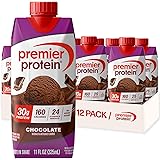
Premier Protein Shake, Chocolate, 30g Protein, No Added Sugar, 24 Vitamins & Minerals to Support Immune Health, 11 fl oz, 12 Pack
$25.17 (as of June 7, 2026 07:35 GMT +00:00 - More infoProduct prices and availability are accurate as of the date/time indicated and are subject to change. Any price and availability information displayed on [relevant Amazon Site(s), as applicable] at the time of purchase will apply to the purchase of this product.)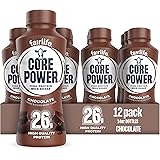
Core Power Protein Shake, Chocolate, 26g Bottle, 14oz, 12 Pack
$41.88 (as of June 7, 2026 07:35 GMT +00:00 - More infoProduct prices and availability are accurate as of the date/time indicated and are subject to change. Any price and availability information displayed on [relevant Amazon Site(s), as applicable] at the time of purchase will apply to the purchase of this product.)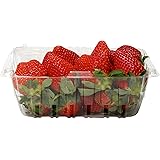
Strawberries, 1 Lb
(as of June 7, 2026 07:35 GMT +00:00 - More infoProduct prices and availability are accurate as of the date/time indicated and are subject to change. Any price and availability information displayed on [relevant Amazon Site(s), as applicable] at the time of purchase will apply to the purchase of this product.)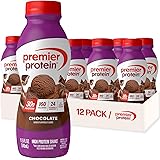
Premier Protein Shake, Chocolate, 30g Protein, No Added Sugar, 24 Vitamins & Minerals to Support Immune Health, 11.5 fl oz, 12 Pack
$31.98 (as of June 7, 2026 07:35 GMT +00:00 - More infoProduct prices and availability are accurate as of the date/time indicated and are subject to change. Any price and availability information displayed on [relevant Amazon Site(s), as applicable] at the time of purchase will apply to the purchase of this product.)
Amazon Brand - Happy Belly Dark Roast Coffee Pods, Compatible with Keurig 2.0 K-Cup Brewers, 100 Count
$35.62 (as of June 7, 2026 07:35 GMT +00:00 - More infoProduct prices and availability are accurate as of the date/time indicated and are subject to change. Any price and availability information displayed on [relevant Amazon Site(s), as applicable] at the time of purchase will apply to the purchase of this product.)
Frito-Lay Fun Times Mix Variety Pack, 40 Count
$22.43 (as of June 7, 2026 07:35 GMT +00:00 - More infoProduct prices and availability are accurate as of the date/time indicated and are subject to change. Any price and availability information displayed on [relevant Amazon Site(s), as applicable] at the time of purchase will apply to the purchase of this product.)


