
When it comes to real barbecue, speed kills flavor. Low and slow isn’t just a catchy phrase—it’s a lifestyle. Cooking meat at a low temperature for a long time transforms tough cuts into smoky, melt-in-your-mouth masterpieces. But it takes more than firewood and a smoker. It takes patience, precision, and passion.
The Science Behind Low and Slow
Cooking meat slowly at low temperatures (225–275°F) allows collagen to break down without drying out the muscle fibers. This is critical for cuts like brisket, pork shoulder, and ribs. Rushed at high heat, they turn out chewy and dry. Done right, they become tender, juicy, and full of deep, smoky flavor.
Why It Works
- Collagen Breakdown: Collagen turns into gelatin between 160–205°F, but only over time.
- Fat Rendering: Low heat gives fat time to melt and baste the meat.
- Smoke Absorption: Longer cook times let the meat absorb more smoke flavor early on.
Essential Gear
- Smoker or Grill: Offset smokers, pellet grills, or kamado-style cookers work great.
- Thermometer: Digital probes for both meat and ambient temp.
- Fuel: Hardwood chunks or pellets (oak, hickory, pecan) for real smoke.
Choosing the Right Cuts
Look for tougher, fattier cuts that shine with time:
- Beef brisket
- Pork butt (shoulder)
- Spare ribs
- Short ribs
- Whole chicken or turkey
The Patience Game
Low and slow means hours of commitment. A brisket can take 10–16 hours. Pulled pork might need 12 hours. You have to trust the process, monitor temps, and resist the urge to peek too often.
The Stall
Most meats hit “the stall” around 160°F, where temperature plateaus for hours. This is due to evaporative cooling. Don’t panic. You can push through naturally or wrap the meat in foil/butcher paper (“Texas Crutch”) to speed it up.
Finishing Strong
Don’t rely on time alone. Always go by internal temperature and feel:
- Brisket: 195–205°F (probe should slide in like butter)
- Pork butt: 200–205°F
- Ribs: Bone should pull clean, not fall off
Final Tip: Rest It
Rest your meat for 30 minutes to 2 hours wrapped in foil and towels in a cooler. This redistributes juices and finishes the cook.
Conclusion
Barbecue isn’t fast food. It’s craft. It’s culture. It’s connection. Low and slow teaches you more than just cooking—it teaches patience, attention, and pride. Respect the process, and the flavor will reward you.
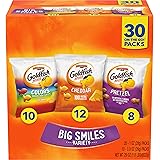
Goldfish Crackers Big Smiles Variety Pack with Cheddar, Colors, and Pretzels, Snack Packs, 30 Ct
$12.86 (as of June 7, 2026 07:35 GMT +00:00 - More infoProduct prices and availability are accurate as of the date/time indicated and are subject to change. Any price and availability information displayed on [relevant Amazon Site(s), as applicable] at the time of purchase will apply to the purchase of this product.)
Lance Sandwich Crackers, Variety Pack, 3 Flavors, 20 Individually Wrapped Packs, 6 Sandwiches Each
$7.64 (as of June 7, 2026 07:35 GMT +00:00 - More infoProduct prices and availability are accurate as of the date/time indicated and are subject to change. Any price and availability information displayed on [relevant Amazon Site(s), as applicable] at the time of purchase will apply to the purchase of this product.)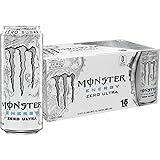
Monster Energy Zero Ultra, Sugar Free Energy Drink, 16 Ounce | Pack of 15
$22.35 (as of June 7, 2026 07:35 GMT +00:00 - More infoProduct prices and availability are accurate as of the date/time indicated and are subject to change. Any price and availability information displayed on [relevant Amazon Site(s), as applicable] at the time of purchase will apply to the purchase of this product.)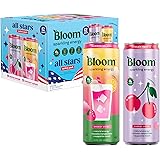
Bloom Nutrition Sparkling Energy Drink - Natural Caffeine, Zero Sugar, 180mg Caffeine - Antioxidant-Rich with Green Coffee Bean, Green Tea Extract, Prebiotics - All Stars Variety Pack - 12oz 12 Pack
$19.98 (as of June 7, 2026 07:35 GMT +00:00 - More infoProduct prices and availability are accurate as of the date/time indicated and are subject to change. Any price and availability information displayed on [relevant Amazon Site(s), as applicable] at the time of purchase will apply to the purchase of this product.)
PUR Gum | Aspartame Free Chewing Gum | 100% Xylitol | Natural Spearmint Flavored Gum, 55 Pieces (Pack of 1)
$4.50 (as of June 7, 2026 07:35 GMT +00:00 - More infoProduct prices and availability are accurate as of the date/time indicated and are subject to change. Any price and availability information displayed on [relevant Amazon Site(s), as applicable] at the time of purchase will apply to the purchase of this product.)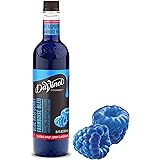
DaVinci Gourmet Classic Blue Raspberry, 25.4 Fluid Ounces (Pack of 1)
$7.99 (as of June 7, 2026 07:35 GMT +00:00 - More infoProduct prices and availability are accurate as of the date/time indicated and are subject to change. Any price and availability information displayed on [relevant Amazon Site(s), as applicable] at the time of purchase will apply to the purchase of this product.)
Strawberries, 1 Lb
(as of June 7, 2026 07:35 GMT +00:00 - More infoProduct prices and availability are accurate as of the date/time indicated and are subject to change. Any price and availability information displayed on [relevant Amazon Site(s), as applicable] at the time of purchase will apply to the purchase of this product.)


